By Brenda C. Murphy
EDITORIAL
I am extremely proud to say that the people of South Carolina stood together and made their voices heard against manipulative efforts to silence Black voters and weaken our political power through rushed congressional redistricting.
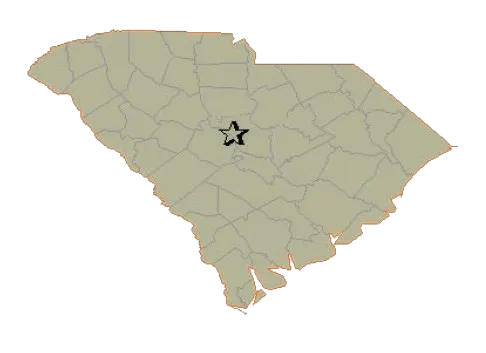
House Bill 5683, the proposed legislation to redraw congressional lines ahead of the statewide primaries, failed in the South Carolina Senate after a powerful resistance in the South Carolina House of Representatives. That did not happen by accident. It happened because people organized, mobilized, and showed up.
When racially discriminatory reared its ugly head, the South Carolina State Conference NAACP immediately went to work too. I appointed regional coordinators across our state who worked directly with local branches to develop and implement voter mobilization plans in their communities. Our members attended committee hearings, spoke out in opposition, and stood firm in urging legislative members in the State House to defend fair representation and voting rights.
At the same time, we collaborated with faith leaders, civic organizations, community advocates, and coalition partners throughout South Carolina and nationally to raise awareness about the impact this legislation would have had on Black voters and communities across out state. Together, we made it clear that the voices of the people could not be ignored.
While early voting continues through June 5th, South Carolina saw record-breaking turnout on the very first day. More than 56,000 votes were cast early on May 26, according to the state election commission, and an additional 34,000 people cast ballots on May 27. Greenville County recorded the third highest voter turnout in the state since the start of early voting, and as of June 1, more than 120,000
ballots have been cast during the early voting period so far.
I sincerely thank each partner of the NAACP SC State Conference who assisted in this effort, the members of both parties in the General Assembly who stood on the right side of history, and, most importantly, every voter who showed up to exercise their constitutional right.
However, while defeating this legislation was a major victory, the fight for Black voices and fair representation is far from over.
The fact that there was a real attempt to replace the only African American congressional representative in South Carolina during an active election sends a clear and concerning message. It reflects an ongoing attack on the voices of Black people who represent over 25 percent of South Carolina’s population.
This should not be taken lightly. It should be recognized for what it is: a threat to fair representation and democratic participation. Unfortunately, it also reflects a growing climate in our country that focuses more on division and separation than inclusivity, fairness, and progress.
It is also important to understand that the proposed congressional map was not created in South Carolina, nor by South Carolinians, but by an organization based in Washington, D.C. and reportedly under the direction of the President. To anyone considering future efforts of this magnitude, I simply say this: remember the month of May 2026 and remember that the South always has something to say.
This moment should also serve as a reminder that democracy only works when people remain engaged. In November 2026, South Carolinians will once again have an opportunity to elect leaders who represent the best interests of the people and who refuse to place partisan politics ahead of morality, fairness, and justice.