
By Dr. Stanley Pritchett
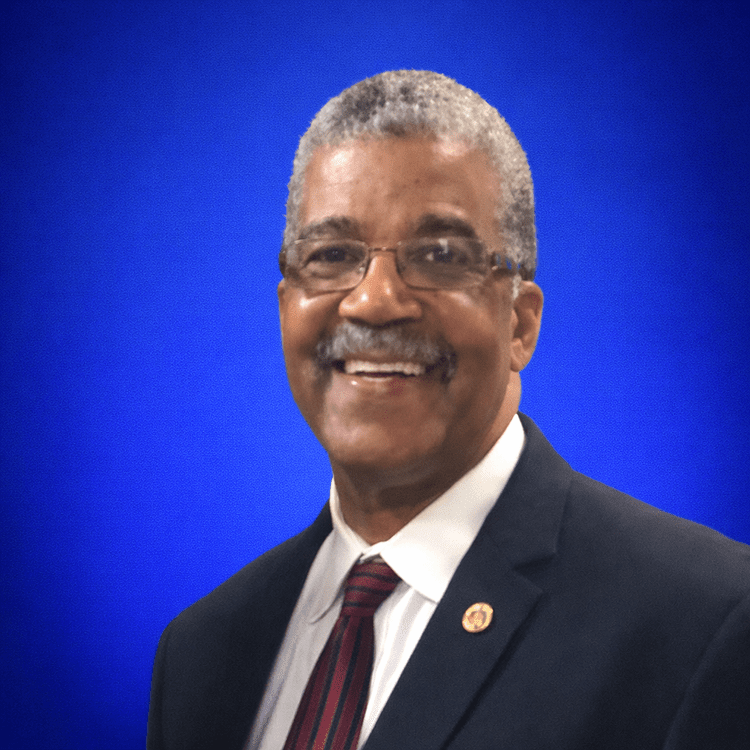
Allen University President
One of the most important responsibilities of a university is preparing students for a world that will not always present them with easy questions or people with whom they will always agree.
Higher education must do more than transmit information. It must teach students how to think, communicate, listen, question and lead. Just as importantly, it must prepare them to engage in difficult conversations with respect and confidence.
That responsibility was on my mind as Allen University recently welcomed political leaders to our campus for a conversation with members of our University community.
What mattered most to me was not simply the prominence of our guests. It was the opportunity created for our students. They were able to sit in a room with leaders and hear a conversation about higher education, career preparation, public service and leadership. They were able to observe, listen and consider how the decisions being discussed today may affect the world they will enter tomorrow.
Those experiences matter because universities should be places where students are encouraged to ask questions, challenge ideas and listen to perspectives that may differ from their own. It’s my opinion, universities should create more of those opportunities.
At Allen, we believe our students should be prepared not merely to enter the workforce, but to become thoughtful participants in their communities and professions. That requires academic knowledge. It also requires exposure. It requires confidence. And it requires the ability to engage respectfully with people whose experiences, opinions and perspectives may be different from our own.
Keeping universities open to difficult conversations is part of that preparation.
This is one reason the work of Allen University’s Boeing Institute on Civility remains so important. Civility does not mean that everyone must agree. It means create spaces to listen, ask questions, exchange ideas and engage one another with respect, even when the conversation is difficult.
We want Allen University to be known as a place where meaningful conversations can occur, where leaders can engage with students, where different perspectives can be explored and where our young people can see themselves as part of the future being discussed.
Our history gives us every reason to embrace that responsibility. And our students give us every reason to continue creating spaces where important and sometimes difficult conversations can happen.
Dr. Stanley Pritchett is president of Allen University.