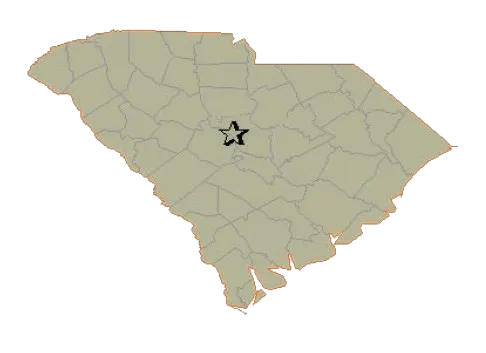
Optus Bank and North Carolina-based Mechanics & Farmers Bank are moving forward with a merger designed not as a rescue of either institution, but as a strategy to preserve two historic Black-owned banks and expand their ability to finance businesses, housing and economic development across the Carolinas.
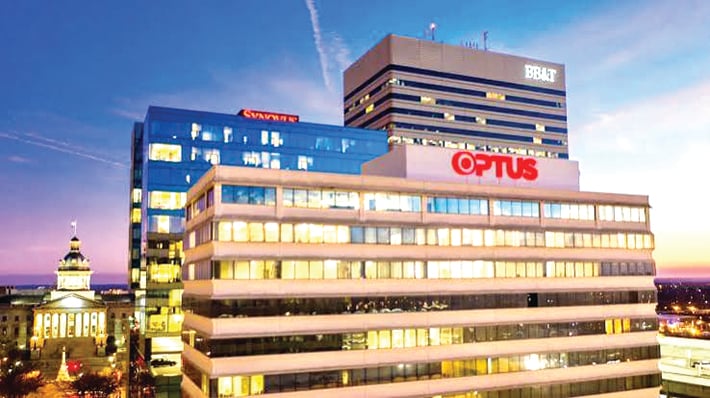
The combined company will operate as Optus Financial Corporation and Optus Bank, headquartered in Columbia. Once the transaction receives regulatory approval and closes, the bank is expected to become the nation’s largest Black-owned financial institution, according to Optus President Benita Lefft.
“This didn’t come about because either bank had financial issues,” said President Lefft. “It really was very much about how do we make sure that we sustain two institutions in our communities.”
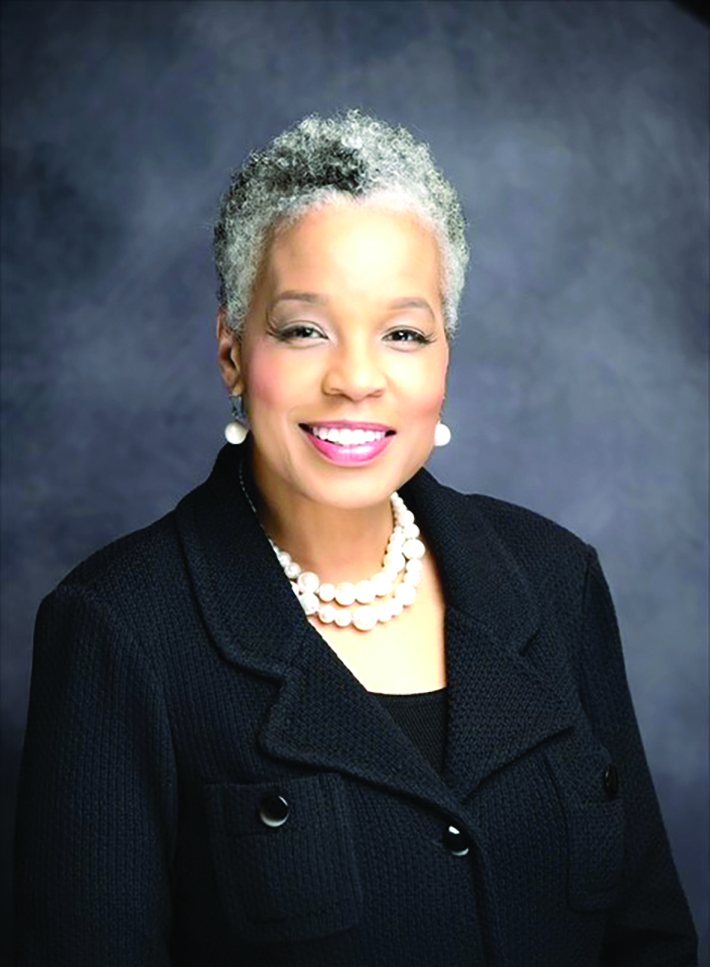
Benita Lefft
The merger brings together two banks with roots stretching back more than a century. Mechanics & Farmers Bank, headquartered in Durham, North Carolina, has operated for 117 years. Columbia-based Optus Bank, whose legacy includes Victory Savings Bank and South Carolina Community Bank, is approaching its 105th year.
A merger built on legacy
Bank leaders said discussions began as an exploration of what two mission-driven Black-owned institutions could accomplish together. Rather than being purchased by a larger outside bank, the institutions chose to combine their operations under Optus’ corporate structure.
The surviving entity will be Optus Financial Corporation and Optus Bank, while Mechanics & Farmers’ current branding is expected to remain in North Carolina for two years after the transaction closes.
For Columbia, the deal carries particular local significance. Optus will remain headquartered in the capital city, creating what leaders describe as the only African American-owned bank headquartered in Columbia and the only major bank headquartered there.
“This is something the whole community, regardless of ethnic background or race, ought to be proud of,” Lefft said. “We ought to be proud of that in little old Columbia.”
The merger comes during a period of broader consolidation in banking, driven by competition for deposits, changing interest-rate conditions and the growing cost of technology and regulatory compliance. Lefft said consolidation is especially consequential for minority depository institutions, or MDIs, which historically have played an important role in helping underserved communities gain access to capital.
Before the COVID-19 pandemic, there were more than 40 minority depository institutions nationally, Lefft said. That number fell to 18 after the pandemic before rebounding to 23.
The merger gives Optus and M&F an opportunity to “help control our own future” rather than risk being absorbed or weakened by industry pressures, Lefft added.
More capital and broader reach
The combined bank is expected to expand its capacity to serve consumers and businesses in South Carolina and North Carolina, particularly in small-business lending, commercial lending and community-development financing.
Mechanics & Farmers has a dedicated Small Business Administration lending unit, while Optus already originates SBA loans. The combined institution could strengthen the availability of SBA lending and business advisory services for entrepreneurs, officials said.
Other potential areas of expansion include:
• Small-business merchant services and payment options.
• Commercial lending and community-development financing.
• Affordable-housing projects financed through commercial loans.
• Expanded support for entrepreneurs and growing businesses.
• Technology and core-banking improvements intended to improve customer service and operational efficiency.
• Potential future work in first-time homebuyer and mortgage lending.
Neither bank currently has a major mortgage-lending operation, but Lefft said mortgage products could become an opportunity in the future, especially as housing affordability and first-time homeownership remain significant needs in many communities.
The merger also combines Optus’ two South Carolina locations with M&F’s eight banking locations across North Carolina. The institutions see the combined footprint as a way to build a stronger presence in two fast-growing states and create a more competitive regional Black-owned banking organization.
“Not only is it going to preserve our legacy, but it’s positioning us to be able to do business,” Lefft said. “It positions us to help the community. It positions us to expand our reach.”
South Carolina expansion remains a priority
Even before the merger announcement, Optus had identified South Carolina expansion as a strategic goal. The bank has been developing business in the Upstate, including Greenville and Spartanburg, and has customers in the Charleston area.
An Optus banker has worked in the Greenville market for nearly three years, gaining traction in that region, according to Lefft. The bank has also considered opportunities tied to York County and the Charlotte metropolitan area.
Charleston and North Charleston remain areas of interest as well. Lefft said Optus already serves customers in the Lowcountry and has seen continuing interest in having a Black-owned banking presence in the Charleston market.
The merger is expected to give Optus more scale to pursue those opportunities while retaining its community-development mission. Both Optus and M&F are mission-aligned institutions with a history of serving communities that have often lacked access to conventional banking and lending products.
Optus’ own growth in recent years has helped create the foundation for the merger. The bank grew from about $40 million in assets to nearly $500 million, benefiting from increased deposits and investments following the racial-justice reckoning that followed the 2020 murder of George Floyd. Larger banks, nonprofits and other organizations placed deposits with Black-owned banks and community-development lenders during that period.
Still, Lefft said the next phase requires deeper local engagement, continued customer service improvements and a stronger base of deposits and borrowers in the Carolinas.
Integration work to follow closing
The banks are seeking regulatory approval and expect the legal closing to occur during the fourth quarter, according to Lefft. After closing, the institutions will begin the complex work of integrating technology, operating processes and customer systems.
The process is expected to move faster than the two-year period during which M&F’s North Carolina branding will remain in place. That two-year period applies to the name and branding transition, not necessarily to every element of operational integration.
Lefft, who has worked through several bank mergers during a career that included stints at First Union, Wells Fargo and SC National, said the integration process will require careful change management.
“It really is like merging two different societies,” Lefft said. “You have to bring systems together, but you have to serve customers and make sure that you meet your business needs.”
The goal will be to identify the strongest practices from both organizations, including technology, lending operations, customer-service procedures and internal processes. Lefft said they want to begin realizing efficiencies and operational “synergies” as soon as practical after the transaction closes.
Customer service will remain central during the transition, Lefft said. The banks intend to protect continuity for existing customers while using the merger to improve service, broaden access to capital and strengthen operations.
Building the next generation
Beyond size and market reach, Optus leaders framed the merger as an investment in Black banking leadership and institutional independence.
Black-owned banks were created in many cases because Black families, entrepreneurs and homebuyers had limited access to mainstream financial services. Optus traces its roots to Victory Savings Bank, founded to provide capital and support affordable housing. M&F Bank carries a similar legacy in North Carolina.
The merger, leaders said, preserves those histories while creating a larger institution capable of developing future banking professionals and executives.
“If done correctly, this will allow us to build the next generation of bankers that look like me,” Lefft said.
For Optus and M&F, the transaction is therefore about more than combining balance sheets. It is a bet that two historic community institutions can gain the scale needed to compete in a consolidating banking industry while remaining rooted in the communities they were established to serve.