By Tenita Abraham
AI & Technology
Over the past two years, I’ve had the opportunity to speak at AI events with school age students and young adults, and one thing has become very clear to me: many of them are not excited about AI. They are anxious about it.
Some openly admitted they do not like artificial intelligence at all. Others shared concerns about jobs, careers, and whether they will even have a place in the future workforce. And honestly, I understand why.
For years, many students were warned not to use AI tools. In some schools, using AI was treated almost like cheating. Students were told not to rely on it and, in many cases, to avoid it altogether. Then suddenly, the message changed. Now they are hearing that they need AI skills to stay competitive, that employers expect them to understand AI, and that learning how to work alongside these tools is necessary for their future.
At the exact same time, they are constantly hearing headlines about AI replacing jobs, eliminating entry-level positions, and changing entire industries before they even have a chance to establish themselves. Many are frustrated because they can already see the impact AI is having on the job search process itself. From automated screening systems to companies reducing hiring in certain roles, many young adults feel like they are competing against technology before they ever get the opportunity to prove themselves.
That contradiction is creating real anxiety for a generation already struggling to enter the workforce. While adults debate the future of artificial intelligence, many students are quietly asking a much simpler question: “Where do I fit into all of this?”
What I’ve realized from speaking directly with youth is this: most are not afraid of technology itself. They are afraid of becoming irrelevant in a world moving faster than they can adapt to.
One of the biggest misconceptions adults make is assuming that because Gen Z grew up online, they are automatically prepared for an AI-driven workforce. But being comfortable with social media and smartphones is not the same thing as understanding how to strategically use AI in professional environments.
That is where I believe a major disconnect exists.
Schools have begun to introduce AI tools, which is important. But I still do not see enough focus on teaching students how to strategically think with AI within the context of actual careers and industries. Students are learning how to access AI, but many are not learning how to apply it within a specific role, how to use it ethically, how to verify information, how to communicate professionally in AI-assisted workplaces, or how to position themselves competitively in a rapidly changing economy.
And that gap matters.
Because employers are not simply looking for people who can type prompts into ChatGPT. They are looking for people who can think critically, adapt quickly, communicate effectively, and strategically use technology to create value.
This is one of the reasons workforce readiness and AI literacy have become such a personal passion of mine. I realized many young people do not need another speech telling them to “embrace AI.” They need guidance. They need clarity. They need practical understanding of where they fit in this rapidly evolving economy and how to develop skills that still make them valuable in a changing world.
Artificial intelligence may reshape the workforce, but human judgment, leadership, creativity, emotional intelligence, and critical thinking still matter. Our responsibility is not simply to prepare students to survive this shift. It is to prepare them to lead through it. Because honestly, AI is a small part of the shift into the 4th Industrial Revolution.
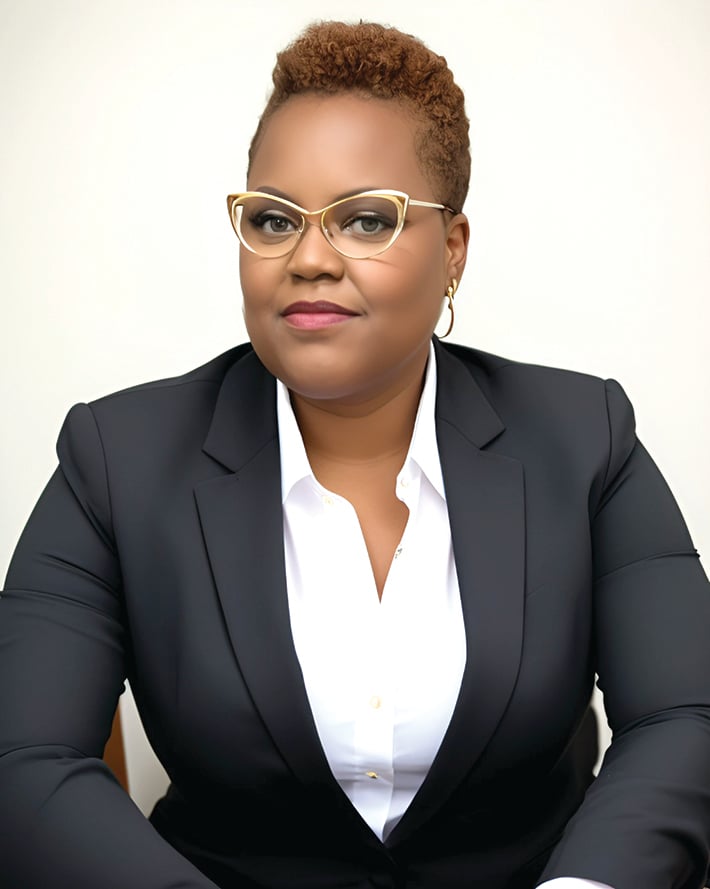
Tenita Abraham is a Certified AI Consultant, financial consultant, and international speaker dedicated to advancing economic empowerment through technology and finance. She is founder of Building Legacies and Sepia Success, a multimedia platform highlighting entrepreneurship, innovation, and generational wealth stories. Learn more at www.legacyconsultingpros com and www.sepiasuccess.com