The apprenticeship, which is a registered program with the U.S. Department of Labor, is specifically designed to help school staff (classified employees) enhance their skills and obtain alternative certification to become licensed teachers. According to Dr. Shelly Meyers, Senior Strategist for Education Policy at the EPI Center, the program combines targeted training with hands-on, school-based experience and comprehensive support services. “The program ensures apprentices are fully prepared to make a meaningful impact on both their schools and local communities,” Dr. Meyers explained.
Through this unique model, teacher aides or paraprofessionals who want to become certified teachers do not have to quit their jobs to pursue a traditional teaching degree; these apprentices can continue working in their schools while receiving the training and support they need. Key features of the program include:
-
Paid Employment: Participants are employed by a partnering school district, receiving a wage as they complete their training.
-
Structured Training: The program combines on-the-job training with mentor teachers, instructional coaching, online learning modules, and preparation for required exams like the Praxis.
-
Alternative Certification: Upon completion, participants receive a U.S. Department of Labor credential and become eligible for a South Carolinaapproved alternative certification program, allowing them to become a “Teacher of Record.”
-
Targeted Support: The program provides comprehensive support services, including personalized learning communities, to ensure apprentices are prepared for their new roles.
The EPIC Registered Apprenticeship is structured into four quarters, each with specific focus areas, professional learning communities, and micro-credentials that can be earned. In the first quarter, the focus is on building a strong partnership between apprentices and their mentors. Apprentices will work to establish a positive and inclusive classroom environment. In the second quarter, apprentices transition from observation and one-on-one tutoring
to leading small-group instruction under the guidance of their mentor. This quarter also includes preparation for their first Praxis II exam. In quarters three and four, apprentices progressively assume greater responsibility for daily classroom routines, instruction, and student assessment.
Margo Jackson is Senior Strategist for Residency & Apprenticeship. “By participating in the apprenticeship, candidates will not only gain the skills to excel as educators but will also contribute to advancing social mobility for their families and the communities they represent or serve,” Jackson stated.
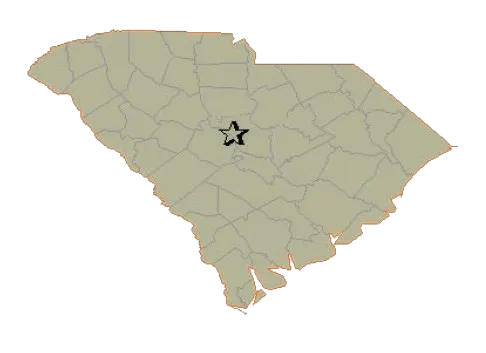
This first cohort of apprentices represents school districts in Allendale, Calhoun, Fairfield, Lee, Orangeburg, Sumter, and Williamsburg counties. Participants like Debra McQuilla, a former long-term substitute teacher and current fifth-grade assistant from the Sumter School District, expressed her confidence in the program. “I am very close to passing the Praxis test and just need the support that the EPI Center is offering to cross the finish line and officially begin my teaching career,” she said.
Similarly, Kedesa Davis, who works in a pre-K classroom at Lee Central Elementary, shared her enthusiasm for the program’s support. “Working with children is my passion. I just need some help passing the Praxis Core test to get my certification, and I am feeling so much more confident about it since getting accepted into this program,” Davis stated.
The EPI Center’s initiative offers a proactive approach to addressing teacher shortages by creating a sustainable pipeline of qualified educators who are already dedicated to their school communities.
